
Art
Making Theatre Memes That Work

By Leif Anders
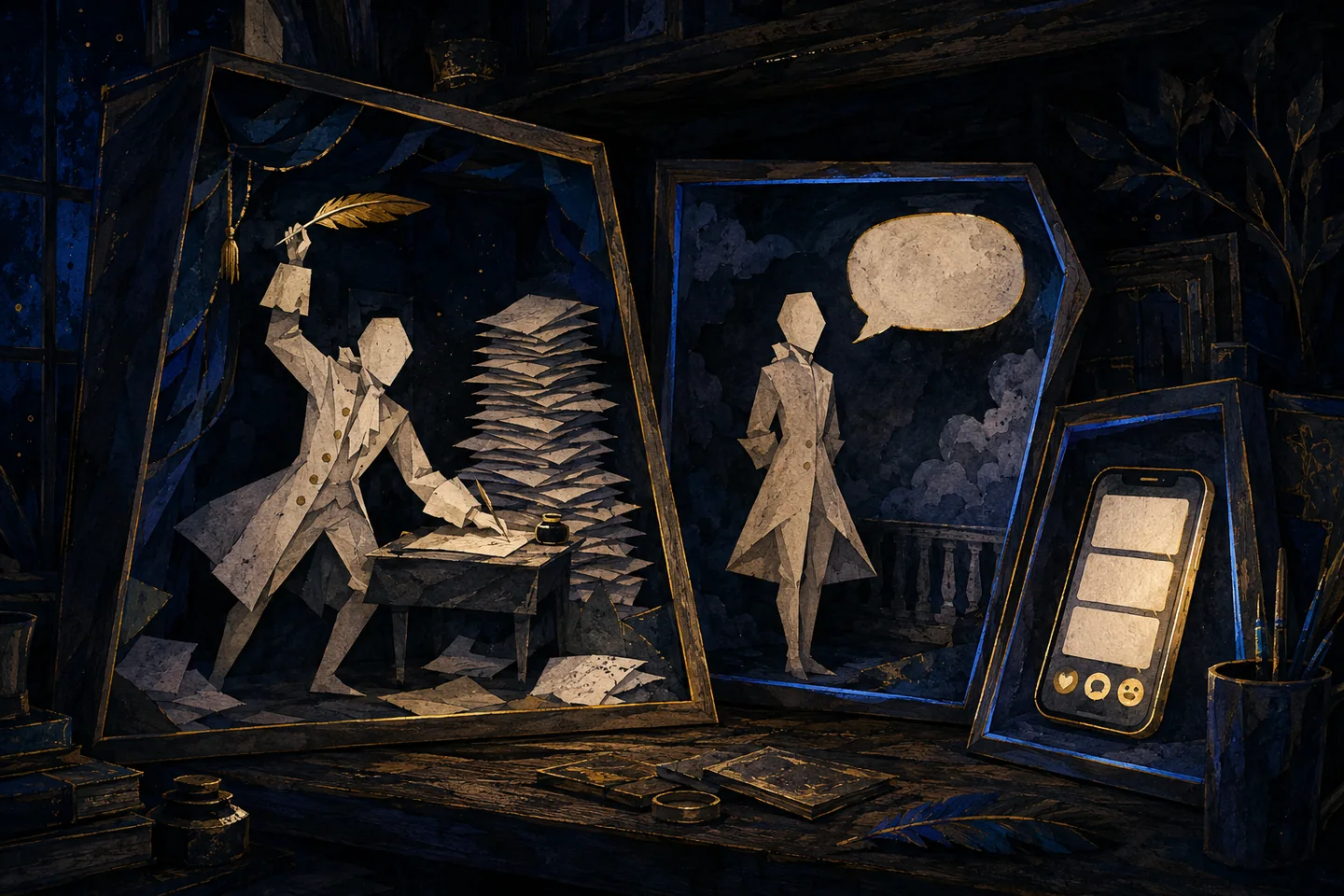
A theatre meme turns a dramatic gesture into an everyday feeling. An ambitious character becomes someone accepting too many tasks; a tense confrontation becomes a disagreement over lunch. The useful connection is emotional rather than historical. You can build a clear joke from impatience, hesitation or overconfidence without naming a performer, quoting a song or explaining an entire plot.
Start with a situation your audience can recognise, then choose a visual or verbal format that sharpens it. This guide covers reaction captions, rhythmic remixes, costume contrasts, drawings and short performances. Each approach needs a readable setup, a distinct turn and enough context to make sense outside the original scene.
Choose the feeling before the reference
Write the ordinary situation in plain language first. “I agreed to help and now have six jobs” gives you something concrete to express. “A funny theatre reference” does not. Look for the small contradiction inside the situation: confidence followed by panic, a grand announcement followed by silence, or elaborate preparation for a trivial task.
Next, decide what the audience must recognise. A joke about waiting can work through posture alone. A joke built around a particular scene needs shared knowledge. Neither approach is inherently better, but mixing them carelessly creates a caption that explains too much for enthusiasts and too little for everyone else.
For background reading on the movement from stage material into fan culture, the draft includes a Time feature on Hamilton’s cultural reach. In your own work, separate that background from the joke: the caption should communicate its situation without requiring readers to consult an article.
Match the format to the idea
Reaction captions
A reaction meme pairs an expression or gesture with a specific circumstance. Let the image carry the feeling and the caption identify its cause. An original drawing of someone frozen in a doorway could accompany the invented caption “When you remember the washing halfway down the stairs”. There is no need to label the expression as regret.
Cut any sentence that repeats what the viewer can already see. If the face looks alarmed, explain what prompted the alarm rather than describing it. Place the essential information early, especially when the caption appears above the image. A delayed setup makes the viewer reread the picture instead of meeting the punchline.
Rhythmic remixes
A rhythmic caption can suggest theatrical delivery without reproducing lyrics. Write your own brief line, read it aloud and listen for where the emphasis falls. A sentence about sorting socks might begin with exaggerated confidence and end with one missing sock. The contrast should survive even when nobody imagines a tune.
Avoid stretching an ordinary phrase merely to fill a rhythm. Extra adjectives and awkward word order obscure the joke. If the line needs a lengthy explanation of its source, try a different format. A two-panel drawing may communicate the same reversal with fewer words and less dependence on borrowed language.
Costume and everyday contrast
Formal clothing, solemn poses and ceremonial gestures can make small inconveniences look absurdly important. Draw an invented figure in an elaborate coat presenting a household chore list as though it were a momentous proclamation. Keep the setting simple so the viewer notices the mismatch between presentation and purpose.
Choose one strong contrast. A costume, a dramatic pose, several historical props and a dense caption compete for attention. Removing the props may make the joke clearer. If you use period styling, treat it as a visual choice rather than evidence about how people actually spoke or behaved.
Short comics
Use a comic when the humour depends on change. The first panel establishes an intention; the second reveals the complication. For example, an invented character confidently opens an empty notebook, then discovers that choosing a heading has consumed their enthusiasm. Consistent posture and framing help the altered detail stand out.
Keep speech and captions doing different jobs. If a character says they are ready, the caption does not need to announce their readiness. Leave enough space around text to read it comfortably. Check the comic at the size it will actually appear, rather than only on a large drawing canvas.
Brief performances
A performance suits a joke built around timing: someone prepares to leave, pauses at a reminder, then quietly returns. Establish the direction of movement before introducing the interruption. One clear gesture can replace several lines of dialogue. Keep the camera still if movement within the frame already carries the joke.
The draft also points to a documented performance format through Know Your Meme. Use reference material to understand how a repeated setup leaves room for variation. For an original exercise, change the situation and write new dialogue instead of reproducing the linked example.
Make the reference earn its place
A recognisable costume alone does not supply a punchline. Ask what the theatrical treatment adds. Does it exaggerate the stakes, reveal a contradiction or make hesitation visible? If the joke works identically after removing every theatrical element, the reference may be decorative. Strengthen the connection or simplify the piece.
Give invented characters clear motives rather than borrowed reputations. A cautious figure might be checking instructions while an impatient companion has already begun. That contrast creates a scene without treating caution as stupidity. It also gives you more possible endings than simply assigning one character a permanent personality label.
Avoid turning distress into a convenient reaction image when the surrounding context changes its meaning. You can express everyday frustration through your own drawing or performance. Review the whole composition, including background text and secondary figures, for details that distract from or undermine the intended joke.
Keep borrowed material accountable
Record where any borrowed artwork, audio or footage came from before editing it. Keep the creator’s attribution with your working notes so it does not disappear during cropping or export. An attribution identifies the source; it should not be presented as permission that you have not obtained.
The draft’s legal reference is retained here: U.S. Copyright Office explains that fair use is evaluated case by case. Keep that jurisdiction explicit when consulting the guidance. For the creative exercise, choose your own drawings, words and recordings wherever possible, and check permission requirements before incorporating someone else’s material.
Edit and check before sharing
- State the setup. Describe the situation in one sentence without theatrical vocabulary. If you cannot, narrow the idea before adjusting the caption.
- Find the turn. Identify the exact detail that changes the viewer’s expectation. Remove competing jokes that make that detail harder to notice.
- Read aloud. Trim repeated information, filler introductions and words that make the rhythm stumble. Keep invented dialogue clearly separate from quotations. Try removing the opening clause altogether: if the meaning survives, begin with the stronger phrase. Avoid explaining the punchline after it has landed; let the final detail do its work.
- Check small-screen legibility. View the piece at its intended size. Increase text clarity, simplify the background and avoid placing words across essential expressions.
- Provide a text equivalent. When sharing visual work, describe the action and include the caption in accompanying text. For a short performance, make essential dialogue available in writing.
- Test comprehension. Ask a reader what happens in the joke without explaining it first. If they miss the setup, revise that part rather than adding a paragraph of explanation.